


insights, stories & healing
in practice
Welcome to my blog.
A space where I share real-life stories, case studies, and practical wisdom from my work in integrative health.
Here, you’ll find educational resources, honest reflections on complex conditions, and glimpses of what healing can look like in practice.
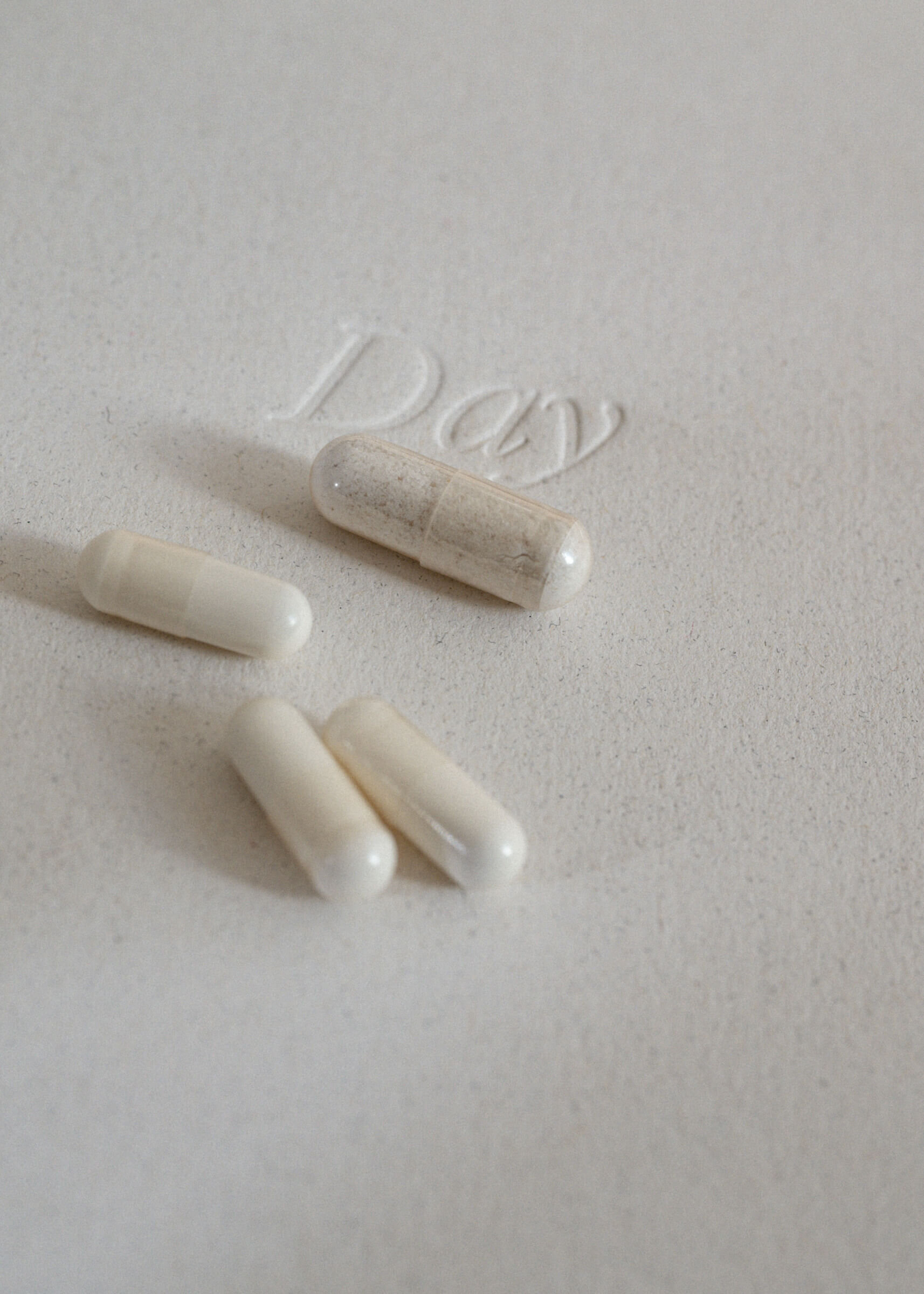
Many people with chronic health symptoms focus on eliminating common triggers such as gluten, dairy, or processed foods. However, some individuals discover that even healthy foods can seem to worsen symptoms. Two often-overlooked compounds that may play a role are salicylates and thiols.
Salicylates are naturally occurring plant chemicals found in foods such as berries, tomatoes, spices, herbs, tea, and many fruits and vegetables. Thiols (also called sulfur-containing compounds) are found in foods such as garlic, onions, eggs, cruciferous vegetables, and some proteins. These compounds are not inherently harmful—in fact, many are associated with beneficial antioxidant and anti-inflammatory properties.
The challenge is that some people with chronic illness, digestive dysfunction, histamine issues, chemical sensitivities, or impaired detoxification pathways report difficulty tolerating them. Why?
Because their livers are too compromised— not just by toxins and pathogens, but by poor bile quality + quantity, as well as breakdowns in the methylation process negatively affecting the liver.
This took me YEARS to figure out for myself. Once I did, I unlocked a key part of my case— the supplements, herbs and pharmaceuticals I had negative (sometimes called “paradoxical reactions” by the medical community) were high sulphur/thiol or high salicylate items.
This finally explained the shortness of breath, heart attack like episodes and raging dysautonomia symptoms I would get after trying to ingest these supplements that were supposed to be helpful. Other symptoms I experienced were:
-getting extremely cold, to the point where nothing but a scalding shower could help me get warmer
-headaches that turned into migraines that turned into vestibular migraines (migraine + vertigo)
-dizziness, weakness
-hot, flashing nerve pain
-digestive upset that would occur suddenly and send me to the bathroom floor via passing out or extreme weakness
Others may experience salicylate/thiol inter tolerance that the body communicates through headaches, skin reactions, congestion, brain fog, fatigue, irritability, sleep disruption, or random allergic reactions to foods.
Please don’t cut these foods, ingredients and supports out of your routine after reading this. Restrictive diets are not appropriate for everyone. Instead, work with your provider to identify the patterns and track your symptom responses. This will help your team uncover hidden pieces of the chronic illness puzzle and guide a more individualized approach to healing. Everyone processes these compounds differently, depending on their bio-individuality. Look into your specific load of inflammation, gut imbalance, or environmental exposures.
Need some help? Book a consult and we’ll dive right in!
